Hot water
Hot Water Takes Ages to Reach the Bathroom: Will Replacing the Heater Actually Help?
Replacing the heater may not fix a long wait for hot water if the main issue is the pipe run to your bathroom. Water that has cooled in the pipe must travel out before hot water arrives. Have the delivery pattern and heater operation assessed before spending money on a replacement.
Key takeaways
- A long wait at one distant bathroom can differ from poor hot water throughout the house.
- Notice whether the delay happens only after a long break or every time.
- A heater replacement does not automatically shorten the pipe route.
- Ask for a diagnosis and options before choosing equipment.
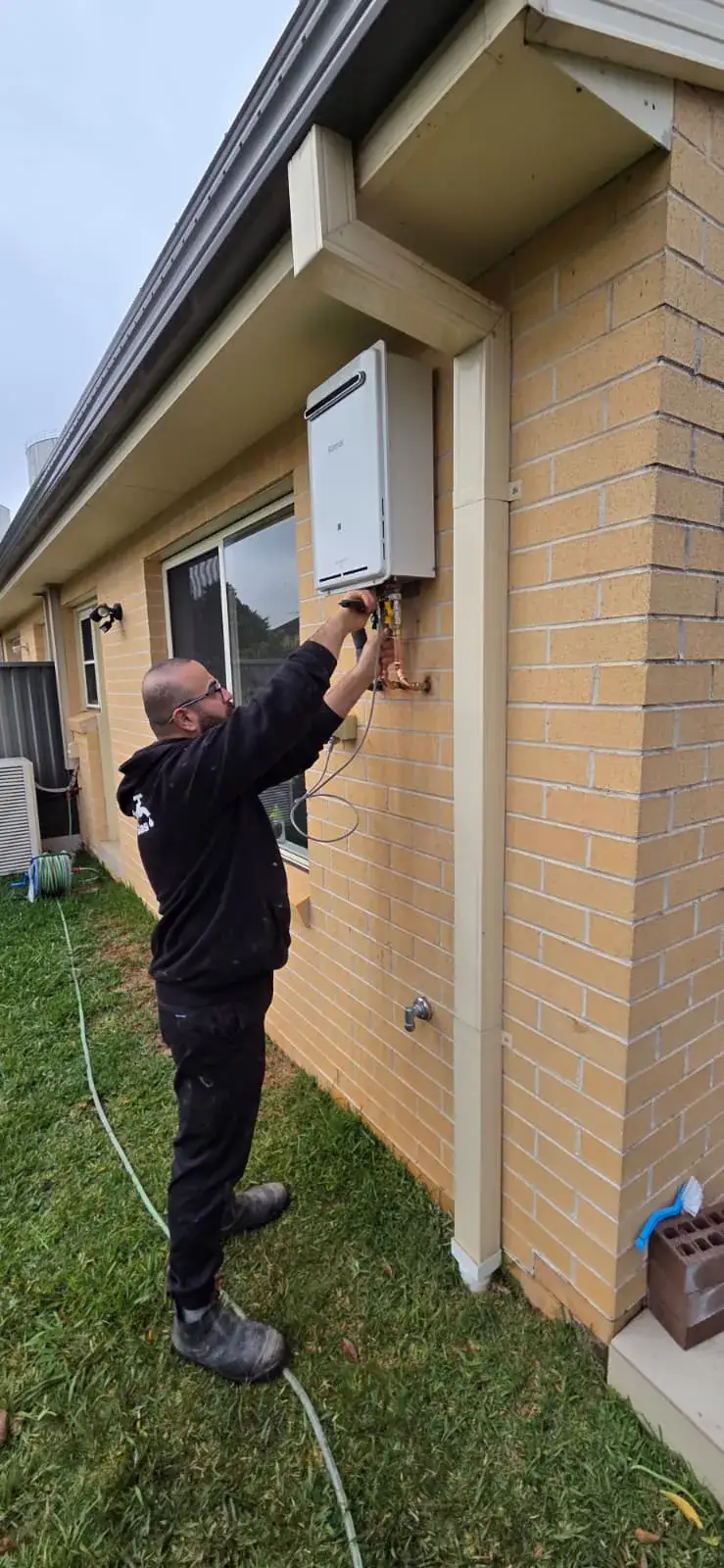
Notice where the delay happens
Start with the pattern you already observe in normal use. Does the kitchen get hot water reasonably quickly while the bathroom takes much longer? Or is every hot tap slow, lukewarm or unreliable? Those are useful distinctions to tell the plumber without opening covers or adjusting the system yourself.
Also note whether the problem is new. A bathroom that has always had a long wait may need a different investigation from one that suddenly changed last week. Mention any recent plumbing work, new tapware or changes to the heater. The timing can help focus the assessment without proving a cause on its own.
Separate waiting time from water temperature
A long delay followed by steady hot water is not the same complaint as water that never gets properly warm or turns cold during a shower. Explain which experience you mean. Otherwise, a conversation about replacing the heater can begin before the actual problem has been clearly described.
Do not test temperatures by holding your hand beneath a fully hot stream. Avoid changing thermostat or tempering controls in an attempt to speed things up. Describe normal use and leave equipment checks to the appropriate professional.
Why the pipe route matters
The Australian Government’s YourHome advice explains that water cools in pipes between uses and recommends locating hot-water-using appliances close to the hot water service. That same delivery principle helps explain why a distant fixture may involve a noticeable wait even when the heater is functioning.
Compare the first use with the next use
Tell the plumber whether the second person using the bathroom soon afterwards has the same wait. Water already warmed along the route can change the experience. A delay after an overnight break can therefore be useful context, but it still does not establish that every component is working correctly.
Keep observations simple: the fixture, the time since last use and whether the water eventually becomes steady. You do not need to run repeated full-flow experiments or waste buckets of water to produce an exact stopwatch result. A short description from ordinary household use is a good starting point.
What a hot water assessment should consider
When booking hot water repairs on the Northern Beaches, ask for the heater and delivery arrangement to be considered together. Explain whether the issue affects one fixture, one area or the whole property. Have the heater model and any available service history ready.
Depending on the findings, the discussion may include equipment operation, fixture issues, accessible pipe routing and insulation. These are different questions, so ask what evidence supports the recommendation. A new heater can be worthwhile for a confirmed fault or other household needs, but should not be sold as a guaranteed cure for distance alone.
Compare options against the problem you want solved
If the heater is sound, ask which changes could realistically improve delivery and what disruption they involve. Routing changes, a suitable circulation arrangement or another system design may be options in some homes. Suitability, running costs and maintenance need assessment; no single solution fits every Northern Beaches house.
- What is causing the delay, and what remains uncertain?
- Which proposed work addresses that cause?
- Will floors, walls or outdoor areas need access?
- What ongoing energy use or maintenance should be considered?
Keep the expected improvement specific. Ask whether the proposal aims to reduce waiting time, restore temperature, improve reliability or replace ageing equipment. Those benefits can overlap, but they should not be treated as interchangeable.
Plan the work around household needs
Tell the plumber how many bathrooms are used, when demand is highest and whether a renovation is planned. Work that makes sense during an open-wall renovation may be less practical as a small standalone repair. Confirm the expected interruption, what is included and how performance will be checked afterwards.
Quick check
Is the complaint waiting time or unreliable temperature?
Note whether hot water eventually becomes steady, which fixtures are affected and whether the issue is new. These details help distinguish delivery questions from equipment faults.
Frequently asked questions
Will a bigger hot water unit make hot water arrive sooner?
Not automatically. More storage or heating capacity does not shorten the pipe route to a distant bathroom.
Why is the kitchen quicker than the bathroom?
Different pipe routes and fixture arrangements may explain it. Tell the plumber which taps behave differently so the delivery can be assessed.
Is a long wait proof the heater is failing?
No. The wait can involve water cooling in the delivery pipe. Heater operation still needs checking if performance has changed.
Why is the second shower sometimes quicker to warm up?
The route may still contain warm water from recent use. That observation is useful context, not a complete diagnosis.
Should I increase the thermostat setting?
Do not adjust controls to solve waiting time. Higher temperature does not remove the pipe distance and can create additional risks.
Can insulation remove the delay completely?
Do not assume that. Insulation can reduce heat loss, but the result depends on the route, time between uses and installation.
Is a circulation system suitable for every home?
No. Ask about suitability, controls, installation work, energy use and maintenance before choosing that approach.
What if the water goes cold during a shower?
Describe that separately from a slow start. The plumber needs to assess temperature or supply interruptions as well as waiting time.
Should I replace the heater before renovating the bathroom?
Discuss both projects together. The planned layout and pipe access may affect the best approach and avoid duplicated work.
What information helps with the booking?
Provide the heater model, affected fixtures, when the issue began and whether water eventually becomes steadily hot.
Conclusion
A slow arrival and a failing heater are different problems that can feel similar at the tap. Check the pattern first and choose work that addresses the actual cause of the delay.
We’re The Northern Beaches Plumber, operated by Antons Plumbing & Gas. Our hot water assessment and repair service on the Northern Beaches can help you plan the next step. Give us a call with the heater model and the fixtures affected. We can discuss an assessment before you commit to replacement.