Hot water
Brown Water from the Hot Tap Only: What Should a Northern Beaches Plumber Check?
If brown water appears only from hot taps, have the hot-water system and connected plumbing checked before assuming the whole street’s supply is affected. Record which taps show it and when it happens. Colour alone cannot confirm the cause, water safety or whether the heater needs replacing.
Key takeaways
- Compare what you have noticed at hot and cold taps without repeated flushing.
- Record whether one outlet or several outlets are affected.
- A hot-only problem needs a hot-water system and pipework assessment.
- Do not drain the heater or open its covers to investigate.
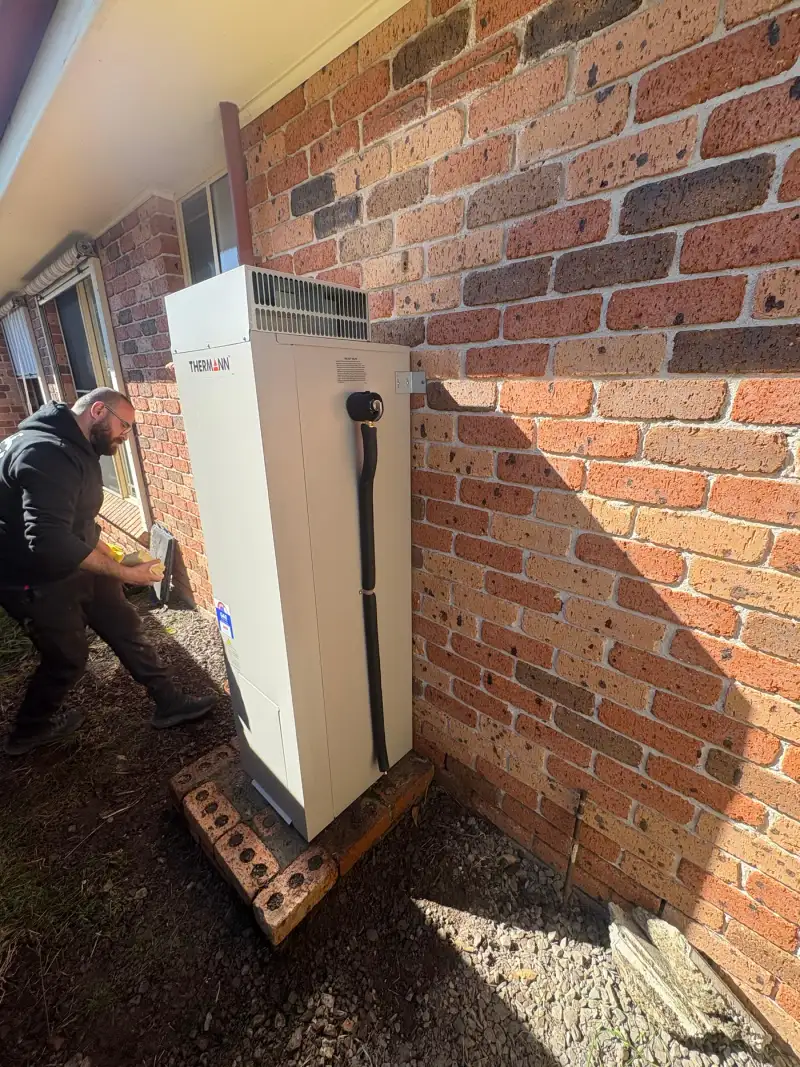
Establish the pattern before naming the fault
“The hot water is brown” is a useful starting point, but the plumber needs a little more detail. Does it happen in the kitchen and bathroom, or only at one mixer? Was it first noticed after the home had been empty, after plumbing work or during otherwise normal use? Note the timing rather than running every tap repeatedly.
If you can safely observe the water during normal use, record the difference between hot and cold and take a photo against a light background. Avoid contact with scalding water. Do not taste discoloured water to judge it, and seek water-quality advice if you are unsure what is safe to use.
Why hot-only discolouration points to a different check
Sydney Water’s water-quality guidance says that discolouration occurring only at hot taps can mean the hot-water service needs repair or replacement. That is a reason to investigate the system; it is not proof that a new heater is the only answer.
The assessment may need to consider the heater’s condition, connected pipework and whether the issue is limited to a particular outlet. Storage and continuous-flow systems have different components, so identify the system if you can. A safely visible model label and any service records help more than guessing the unit’s age from its appearance.
What if the cold water is brown too?
Tell the plumber and check Sydney Water’s current fault advice. A supply disturbance may need a different response from a hot-only problem. Explain any recent water outage or nearby work you know about, but avoid assuming a network cause just because work crews were in the street.
Prepare for a useful hot-water assessment
When booking hot-water system repairs on the Northern Beaches, describe any change in temperature, pressure, noises or visible leakage as well as the colour. Keep those observations separate: brown water does not automatically explain why the shower pressure has also changed.
- List the affected outlets and whether cold water looks different.
- Record when the problem began and whether it comes and goes.
- Provide the heater model and safely taken installation photos.
- Mention recent repairs, an outage or a period without use.
Do not drain a storage tank, remove electrical covers or operate unfamiliar valves as a home test. Hot water and electrical or gas components can create hazards. If water is leaking near electrical equipment, keep clear and explain that immediately when seeking help.
Repair or replacement should follow the findings
Ask the plumber to explain which component or section of plumbing appears responsible and what evidence supports the recommendation. A local fault may lead to a different scope from deterioration of the heater itself. If replacement is proposed, ask why servicing or a smaller repair would not be suitable.
Compare the full installed scope, including connections, removal of the old system and any other trade work. Do not choose a replacement solely to stop a symptom that has not been traced. Keep the diagnosis and options in writing so you can understand what the work is intended to resolve.
In a unit, check whether hot water is shared
Some buildings have a shared hot-water service, while others have individual systems. Tell the strata or building manager what you have observed and whether neighbours report a similar issue. Do not enter locked plant rooms or adjust shared controls yourself.
Ask who will arrange access and authorise investigation. A short record of dates and affected outlets helps the manager coordinate the visit, particularly when the water looks clear again by the time a plumber arrives. Intermittent discolouration is still worth reporting rather than ignoring until the next occurrence.
Quick check
One hot tap, every hot tap or hot and cold?
Write down which pattern you have actually observed. That helps direct the assessment, but it does not diagnose the fault or establish whether the water is safe.
Frequently asked questions
Does brown hot water always mean a rusty tank?
No. The heater and connected plumbing need assessment. Water colour alone cannot identify the failed component or prove replacement is necessary.
Should I keep running the hot tap until it clears?
Do not repeatedly flush the system as a diagnostic test. Record the pattern and follow advice for the identified cause.
What if only the bathroom mixer is affected?
Report that detail. A problem at one outlet may need a different investigation from discolouration across the whole hot-water supply.
Can continuous-flow hot water have this problem?
Discolouration still needs investigation. Tell the plumber the system type so the assessment is not based on assumptions about a storage tank.
Is clear cold water enough to prove the hot water is safe?
No. Appearance is not a water-safety test. Seek advice about the discoloured supply and avoid tasting it to investigate.
Should I drain the tank myself?
No. Leave heater servicing and unfamiliar valves to an appropriate professional; hot water can cause serious burns.
Could a recent water outage be relevant?
Yes. Include the outage timing and whether cold taps were affected. It is context for the assessment, not a confirmed diagnosis.
What if the building has shared hot water?
Notify the building manager and describe affected outlets. Shared equipment and access should be coordinated through the building’s arrangements.
Will a new heater definitely solve it?
Only a properly traced cause can support that recommendation. Ask what findings justify replacement and whether pipework also needs attention.
What should I send when booking?
Send the model details, safe photos and a short record of affected taps, timing, leakage and any temperature or pressure changes.
Conclusion
Brown hot water needs a targeted assessment, starting with where and when it appears. Record the pattern and have the system and connected plumbing checked before deciding on a replacement.
We’re The Northern Beaches Plumber, operated by Antons Plumbing & Gas. Our hot-water repairs and replacement on the Northern Beaches can help you plan the next step. Tell us which taps are affected and send the heater details if available. Give us a call to discuss an assessment and the next practical step.