Hot water systems
Heat-Pump Hot Water Near a Bedroom: What to Check Before Choosing Its Position
Before placing a heat-pump water heater near a bedroom, ask the installer to assess the model’s noise information, nearby windows, operating times, airflow and access. Consider neighbouring bedrooms as well as your own. The old cylinder’s position is a starting point, not proof that a heat pump belongs in the same spot.
Key takeaways
- Compare noise information for the exact model being quoted.
- Show the installer your bedrooms and neighbouring windows.
- Check planning and noise requirements before settling the location.
- Leave the manufacturer’s required airflow and service space clear.
Start with the rooms around the proposed position
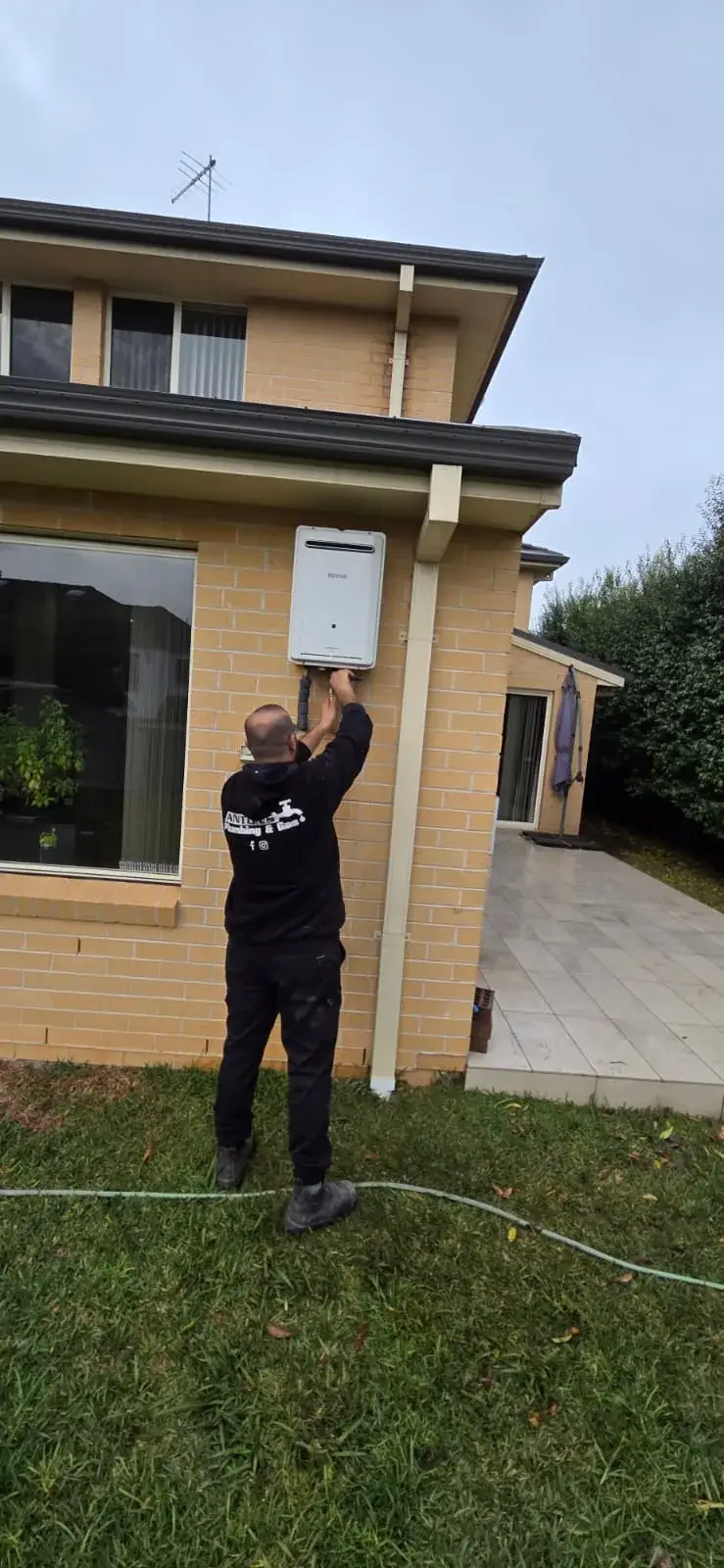
Walk around the location with the installer and identify bedrooms, living spaces and neighbouring windows. Tell them if someone sleeps during the day or works unusual hours. A position beside a rarely used room can present a different practical concern from one directly outside the main bedroom.
Draw a simple plan or take photographs showing the whole area rather than only the existing tank. Include walls, fences, gates and the route used to reach the equipment. The installer needs the context to compare options, not just a measurement of the space where the old unit stands.
Ask what the noise figure actually describes
Heat pumps have operating components that make sound. Ask for the exact model’s published noise data and how it relates to the proposed position. Do not assume two brochure numbers are directly comparable if they use different measurement methods or conditions.
The NSW EPA’s neighbourhood noise guidance recommends choosing quieter equipment and considering its placement. A statement that a unit is “quiet” is less helpful than a model-specific discussion of nearby rooms and expected operation. If the site is especially constrained, ask whether specialist acoustic advice is appropriate.
Check the applicable planning requirements
NSW Planning’s hot water guidance sets noise conditions for heat-pump heaters under the exempt development pathway, including daytime boundary noise and audibility in adjoining homes at other times. It also identifies installation and heritage considerations. Do not assume every replacement qualifies automatically.
Ask the installer which requirements apply at your address and how the proposal will meet them. A generic distance from a fence is not a complete assessment. Where strata, heritage controls or another approval process applies, resolve that before committing to a location or delivery date.
Balance quieter placement with a workable installation
Moving the equipment further from a bedroom can be worth considering, but the new position still needs suitable connections, drainage arrangements and access. Ask for each option to be explained as a complete installation rather than comparing only the price of the tank.
- Is there enough airflow around the selected model?
- Can a technician reach service points safely?
- Will gates and walkways remain usable?
- What pipework or electrical changes are needed?
- How will condensate and other required drainage be managed?
Do not build a tight cupboard around the heater to hide it or muffle sound. Any enclosure or screen needs to be compatible with the manufacturer’s instructions and the installation design. A neat-looking screen that blocks access or airflow is not a good trade.
Discuss operating times without promising silence
Tell the installer when the household normally uses hot water. Ask whether the model supports suitable scheduling and what that means for hot water availability. Avoid assuming that a timer alone solves a poor location or that the heater can always remain off whenever someone is sleeping.
Put the location in the quote
When arranging hot water system advice on the Northern Beaches, ask the quote to name the model and intended location. If relocation is an option, request separate descriptions of the associated work. That makes differences between proposals easier to understand.
Record assumptions about access, existing services and approvals. If the contractor needs a site visit before confirming the design, keep that distinction clear. An online product price cannot establish the suitability of a particular side passage or bedroom wall.
Keep the handover information
After installation, retain the operating instructions and agreed settings. Ask how to report unusual sound or vibration and who to contact for servicing. Describe when a noise occurs and where it is heard; avoid changing installation supports or opening equipment yourself. A new or changing sound deserves assessment rather than being dismissed as normal.
Quick check
Is the proposed position ready to approve?
Confirm the exact model, nearby sleeping rooms, noise requirements, airflow, servicing access and any approval needs. If one of these remains uncertain, resolve it before installation.
Frequently asked questions
Can a heat pump go near a bedroom?
It needs a site-specific assessment. Consider the exact equipment, nearby windows, operating pattern and applicable noise requirements before choosing the position.
Is the old tank position always suitable?
No. A replacement heat pump can have different space, airflow and noise considerations from the previous heater.
Should neighbours’ windows be considered?
Yes. Show their approximate location to the installer so the proposal considers adjoining homes as well as yours.
Does a quiet label guarantee I will not hear it?
No. Ask for model-specific noise information and an explanation of the proposed location.
Can I cover the unit with a box?
Do not improvise an enclosure. Screens and covers must be compatible with required airflow, clearances and maintenance access.
Can a timer solve the noise issue?
Scheduling may be part of the discussion, but it does not replace a suitable installation or compliance with applicable requirements.
What if someone sleeps during the day?
Tell the installer early. Household sleeping patterns help compare practical locations and operating arrangements.
Will moving the heater change the quote?
It may change the connection, drainage, electrical or access work. Ask for the relocation scope to be described separately.
Do strata owners need to check approval?
Check with the strata manager before altering shared areas or external equipment. Do not assume a standalone-house arrangement applies.
What if the unit becomes noisier later?
Report the change, timing and location of the sound to the installer or service provider. Do not dismantle or modify the unit yourself.
Conclusion
A good heat-pump position balances bedroom comfort, neighbours, compliance and practical servicing. Settle those questions alongside the model choice, before the installation is booked.
We’re The Northern Beaches Plumber, operated by Antons Plumbing & Gas. Our Northern Beaches hot water system service can help you plan the next step. Give us a call to discuss the existing heater, proposed position and the checks needed before replacement.