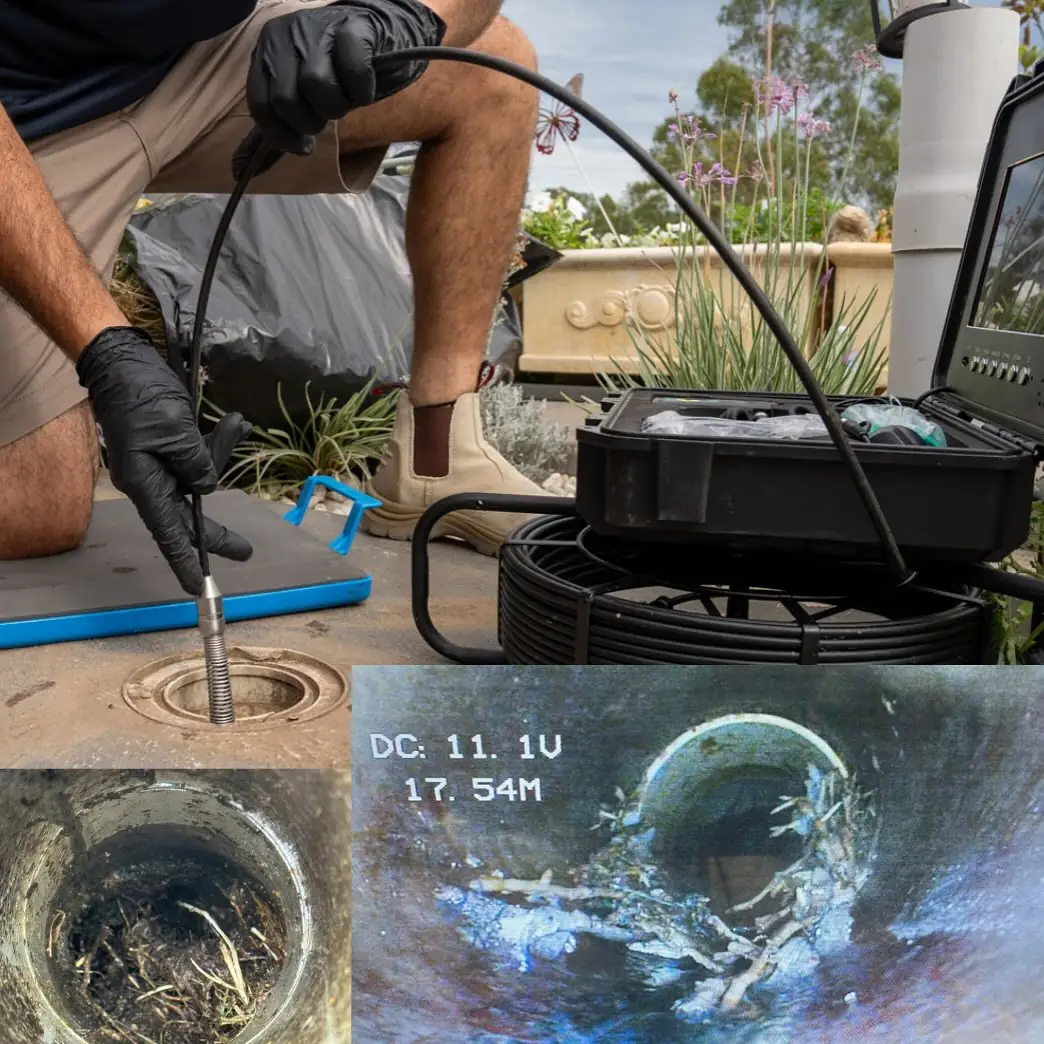
When a drain clears and blocks again, we do not treat the second backup as bad luck. The pattern usually contains useful clues: which fixture slowed first, what happens when another tap runs, and whether the trouble appears after heavy rain. Those details help us decide where to begin before any equipment goes into the line.
We operate The Northern Beaches Plumber through Antons Enterprises Pty Ltd under NSW contractor licence 210933C. Our first job is to understand the system in front of us—not to assume every slow drain needs the same solution.
The questions we ask before opening the drain
On the phone, we try to map the blockage. One slow basin points us in a different direction from a shower that fills when the toilet flushes. An overflowing gully outside changes the urgency again. We will usually ask about:
- the first fixture that became slow or backed up;
- whether one room or several areas are affected;
- gurgling, odours or water appearing at a floor waste;
- previous clearing, repairs or known tree-root problems;
- the location of inspection openings; and
- parking, stairs, locked gates or strata access.
This is not paperwork for its own sake. It tells us whether to start at a fixture, an accessible branch or further along the drainage line. If wastewater is escaping or spreading through the property, we treat that information as part of the immediate risk assessment.
What we look for when a blockage keeps returning
Restoring flow is only one part of the job. Once access and pipe condition allow it, we look for evidence that explains why the restriction formed. That might include a concentrated obstruction, deposits inside the pipe, roots entering a joint, movement in the line or damage that catches material again.
We choose the clearing method around the pipework and access rather than reaching automatically for one machine. Water jetting may suit an accessible line; a CCTV camera may help after flow is restored and visibility is good enough. A camera is useful evidence, but it cannot see through standing dirty water or guarantee that every concealed defect will be visible.
Our blocked drain service sets out how we approach clearing and inspection. If the backup is uncontrolled, read our urgent plumbing guidance and call with the full address and details about where the water is moving.
What we ask customers not to do
Repeated chemical drain cleaner can leave hazardous liquid behind without reaching a deeper obstruction. Please tell us if any product has already been poured into the drain so we can plan safely.
We also ask households to keep wipes, paper towel, hair, cotton buds, fats, oils and grease out of wastewater lines. Sydney Water identifies these materials as common contributors to blockages in its Toilet Blockers Anonymous guidance.
Before we arrive, the most useful steps are simple:
- stop using fixtures that make the water rise;
- keep people and pets away from wastewater;
- leave inspection points accessible;
- note whether the symptoms change after rain; and
- gather any previous drain reports or camera footage.
Why local access changes our plan
A drain problem is not only about the pipe. In Manly and Dee Why, an apartment job may involve basement parking, shared stacks and a strata contact who controls access. Around Narrabeen, outside drainage and rain-related symptoms can be especially important to describe. We ask about these details because the correct equipment is not useful if it cannot reach the access point.
The outcome we want from the assessment
We want you to understand what was found, what could not be confirmed and why the recommended next step makes sense. Sometimes that is a straightforward clearing. Sometimes recurring evidence justifies inspection or a repair discussion. We do not want a temporary improvement mistaken for a confirmed diagnosis.
For blocked drain help across the Northern Beaches, call 0493 824 176. Calls are accepted 24/7, and we will confirm current coverage and availability after reviewing the address, symptoms and access.